MDRD GFR Equation
Estimates GFR in CKD patients using creatinine and patient characteristics.
This calculator includes inputs based on race, which may or may not provide better estimates, so we have decided to make race optional. See here for more on our approach to addressing race and bias on MDCalc.
For the same creatinine value, this calculator estimates a higher GFR for Black patients.
Only for chronic kidney disease (CKD); not accurate for acute renal failure. This calculator uses the 4-variable equation from Levey 2006, which relied on a standardized creatinine assay.
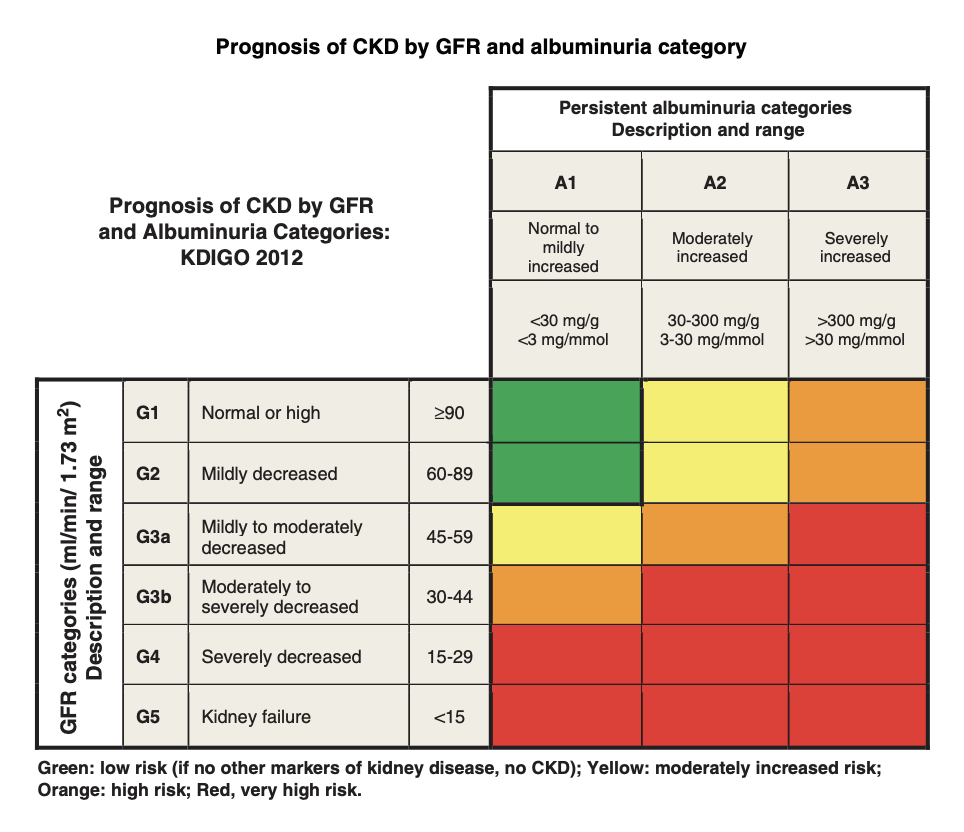
Patients with decreased GFR are at higher risk of progressive kidney disease. Management of contributing risk factors, such as diabetes and hypertension, is critical to slowing progression. Investigation of the underlying cause of decreased GFR is warranted if not clear from the history.
Medications should be dose-adjusted for the most recent available eGFR. In this setting, eGFR and creatinine clearance may be used interchangeably, though they are physiologically different terms. Cutoffs for many medications are <60, <45 and <30 ml/min/m2, as well as adjustments for advanced kidney disease and dialysis patients.
Patients should be classified into CKD stage by both eGFR and albuminuria status. Patients with decreased GFR, increased urinary albumin excretion or both, are at high risk of progressive CKD and should be referred to nephrology for further management.